
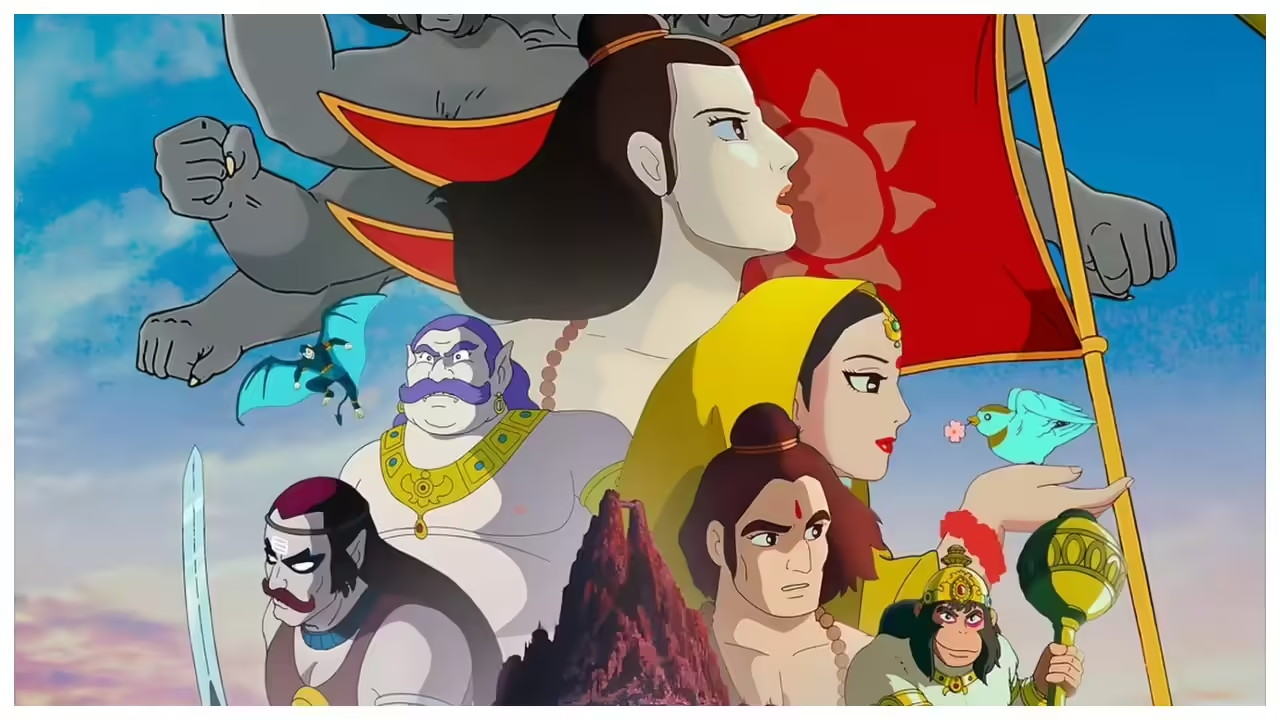
1. The Ramayana (The Journey of Rama)
Attributed to the sage Valmiki, this epic is more than just a story; it is a cultural cornerstone. It follows Prince Rama’s quest to rescue his wife, Sita, from the demon-king Ravana.
The Lesson: It explores the concept of Dharma (duty) and the triumph of light over darkness.
2. The Mahabharata (The Great Tale of the Bharatas)
The world’s longest epic poem, the Mahabharata is a sprawling saga of family rivalry, politics, and war. At its heart is the Bhagavad Gita, a philosophical dialogue on the battlefield of Kurukshetra.
Appeal: Its characters are deeply human—flawed, complex, and caught in moral dilemmas that remain relevant today.

3. The Panchatantra (The Five Principles)
These ancient animal fables, attributed to Vishnu Sharma, were originally written to teach three young princes the art of “nitishastra” (wise conduct).
The Vibe: Think of it as India’s version of Aesop’s Fables, but with sharper political wit and timeless life lessons.

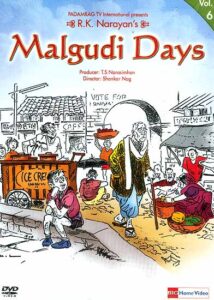
4. Malgudi Days (by R.K. Narayan)
Set in the fictional town of Malgudi, these short stories capture the extraordinary nature of ordinary Indian life. From the mischievous Swami to the talkative Man-Eater of Malgudi, Narayan’s writing is pure nostalgia.
Why read it? It’s a warm, humorous, and gentle look at a simpler era of India.
5. The Guide (by R.K. Narayan)
A masterpiece of Indian English literature, this story follows Raju, a corrupt tour guide who—through a bizarre series of events—is mistaken for a holy saint.
The Twist: It’s a profound study of transformation, spiritualism, and the masks we wear.
